
The Boy’s Moral Departure
Henry VThis thread follows the unnamed Boy as he observes the old companions’ cowardice and theft before choosing a different path.
increasing Bearing strength in each event
 decreasing
Bearing strength in each eventdecreasingService Among Swashbucklers
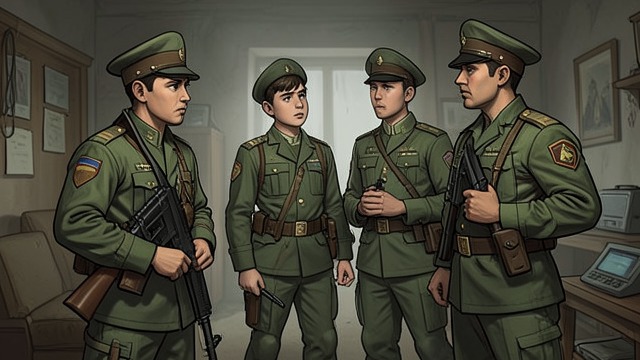
Service Among Swashbucklers
A young witness
The Boy serves Lieutenant Bardolph, Corporal Nym, and Ancient Pistol. He watches their conduct closely rather than accepting their soldierly claims.
Unease takes shape
Their habits of boasting and petty dishonesty conflict with his sense of manhood. The Boy begins to understand that proximity to soldiers does not make a person honorable.
A Judgment of Courage
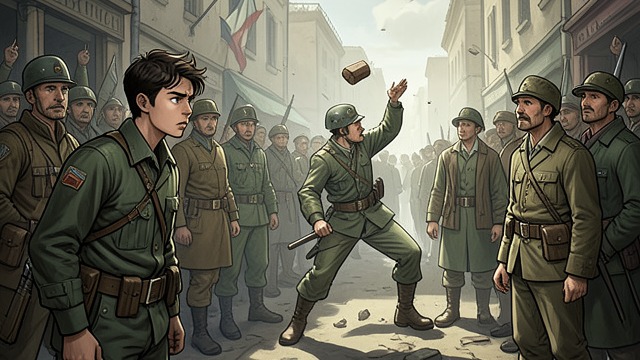
A Judgment of Courage
Words against deeds
The Boy sees Pistol avoid danger, while Bardolph and Nym do little to justify their reputations. He measures them by action rather than martial language.
A private verdict
His account exposes the distance between the companions’ swagger and their behavior. The Boy’s moral independence grows through observation.
Theft Named Plainly
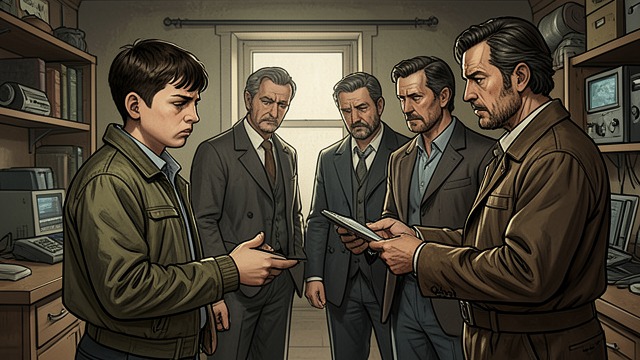
Theft Named Plainly
Dishonesty exposed
The Boy recalls their stealing and relabeling theft as purchase. He recognizes that joining them would compromise his own character.
Departure chosen
He resolves to seek better service because their villainy makes him sick. His decision creates a quiet alternative to the older men’s decline.
A Prisoner Taken by Pistol
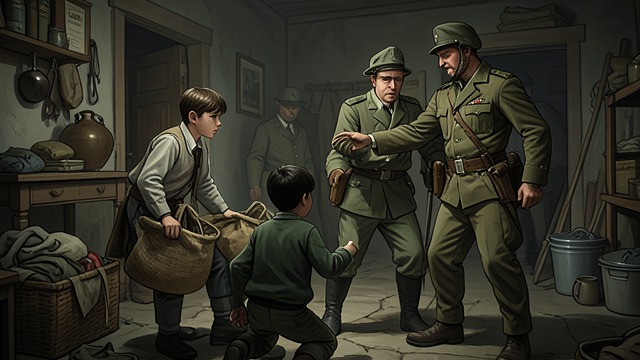
A Prisoner Taken by Pistol
A hollow performance
The Boy watches Pistol take a French prisoner for ransom while using theatrical threats. The capture earns money but does not convince the Boy that Pistol is brave.
A dangerous assignment
The Boy remains with the luggage and other attendants. His low-status position leaves him exposed while the fighting continues elsewhere.
The Boy’s Death
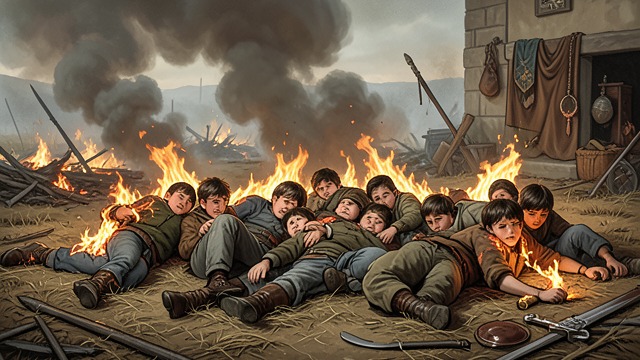
The Boy’s Death
The camp attacked
French forces kill the boys guarding the English luggage and burn or carry away the king’s possessions. The Boy’s earlier choice of service cannot protect him from the violence around the army.
A brutal turning point
The deaths intensify the king’s anger and precede the order to kill French prisoners. The Boy’s fate connects the battlefield’s tactical danger to a devastating moral consequence.
In London, before the army sails
During the assault at Harfleur
After the companions leave the breach
During the Battle of Agincourt
During the French attack on the English baggage
